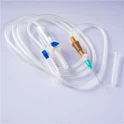

1. Serum separation hose
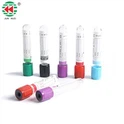
The inner wall of the blood collection tube is uniformly sprayed with a coagulant to accelerate blood coagulation and shorten the turnaround time (TAT). The emotional separation gel is used to separate blood cells and serum after centrifugation, which can increase serum production and maintain the stability of serum components for a longer period of time, which is conducive to the recovery of samples. Check. The separation gel has strong stability and is not easy to absorb the protein in the serum. It can get real results for drug testing and ordinary biochemical testing.
2. Plasma separation hose
The vacuum blood collection tube contains inert separating glue, which can separate blood cells and plasma, increase plasma production, and maintain the stability of plasma components. Used to collect plasma samples to eliminate clotting time and shorten turnaround time (TAT). Usually used for intensive care and emergency testing.
3. Serum tube
Serum tube is used to separate serum after collecting venous blood, which is used in clinical chemistry, serology, immunology, therapeutic drug monitoring, trace element determination. The role of coagulant is to accelerate blood clotting. The use of coagulation tubes can shorten the turnaround time.
4. Plasma tube
Plasma tubes are used to separate plasma after collecting venous blood, which is used in clinical biochemical tests. The inner wall of the plasma tube is uniformly sprayed with heparin or heparin sodium for blood anticoagulation, which is suitable for most clinical biochemical tests, and can be used as the main disposable blood collection tube in laboratories that do not require a separation tube but require plasma samples.
5. Blood sugar tube
The blood glucose tube is used for blood glucose measurement or glucose tolerance testing. The tube wall is evenly sprayed with anticoagulant (potassium oxalate) and glycogen stabilizer (sodium fluoride). The glycogen stabilizer can keep the blood glucose concentration stable for 24 hours at room temperature.
6. EDTA blood routine tube
The blood routine tube contains the dipotassium salt or tripotassium salt of EDTA, and the dipotassium salt is sprayed evenly on the wall of the tube in the form of a mist. The tube is mainly used for blood cytology testing such as blood picture, hemoglobin, glycosylated hemoglobin, cyclosporine, red blood cell folate and pre-transfusion testing (blood type, antibody screening, cross-matching).
7. Blood coagulation tube
The blood coagulation tube is mainly used for the four detections of blood coagulation (prothrombin time, thrombin time, activated partial thromboplastin time, fibrinogen), to guide clinical monitoring such as oral warfarin therapy and intravenous heparin therapy As well as special coagulation studies (coagulation factor testing, such as factor V or hemophilia factor, platelet function testing).
8. Erythrocyte sedimentation tube
The erythrocyte sedimentation tube is used for the determination of erythrocyte sedimentation rate. It contains 3.2% sodium proponate solution for anticoagulation, and the ratio of anticoagulant to blood is 1:4. The glass tube can be used in conjunction with an erythrocyte sedimentation rate rack or an automatic erythrocyte sedimentation rate instrument. This method is a closed system and does not need to open the cap. The operation is directly after blood collection.